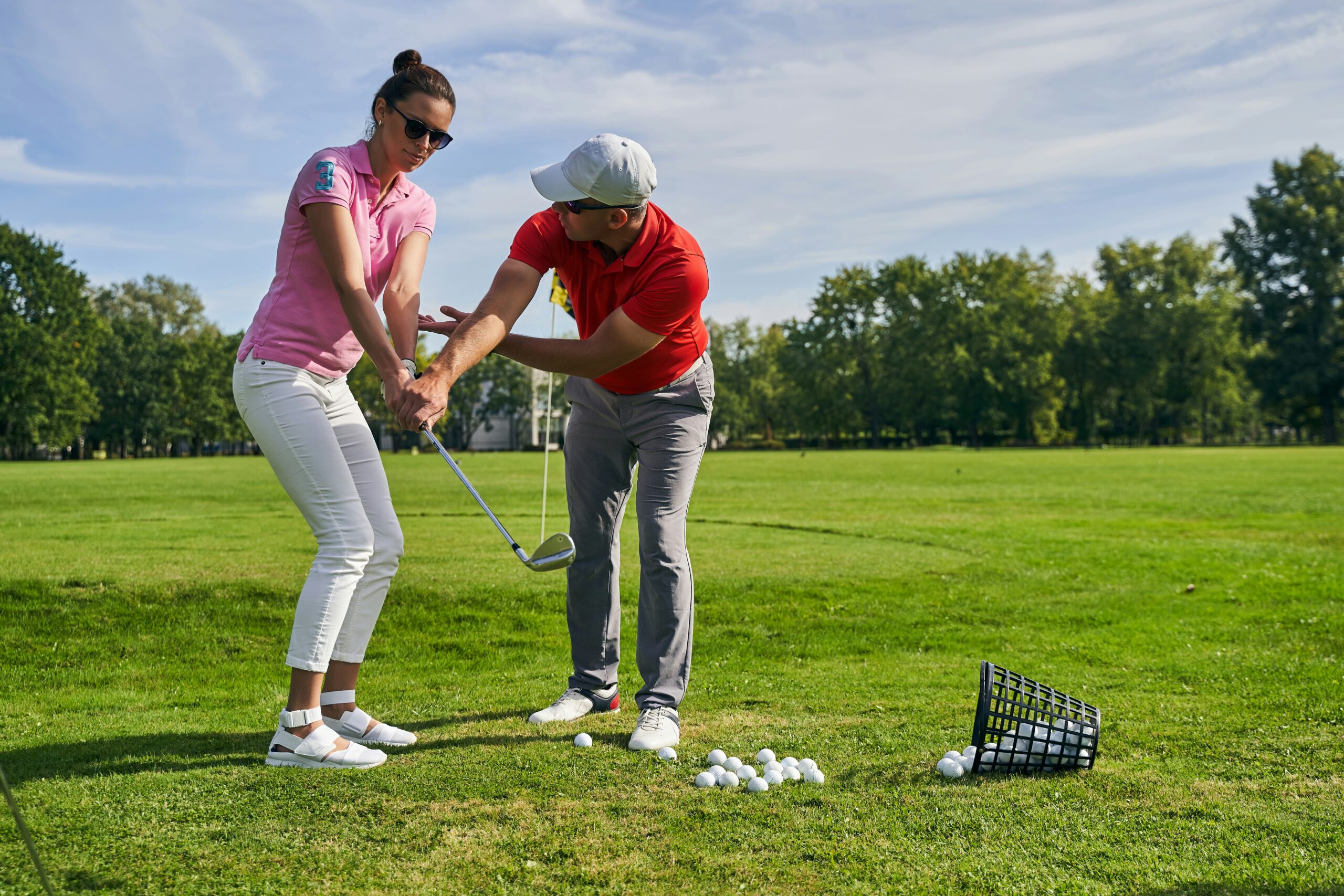
Lacrosse and golf may appear to exist on opposite ends of the sports spectrum, one fast and physical, the other calm and methodical. Yet both sports offer powerful lessons in patience and strategy that extend far beyond the field or course. Athletes who take the time to understand these parallels often discover a deeper appreciation for discipline, focus, and long-term thinking.
Whether sprinting across a lacrosse field or carefully lining up a putt, success depends on more than raw talent. It requires thoughtful decision-making, emotional control, and the ability to adapt under pressure. These shared qualities make lacrosse and golf valuable teachers of life skills that apply to everyday challenges.
Understanding the Pace of the Game
Lacrosse is known for its speed, constant motion, and rapid transitions. Players must react quickly while maintaining awareness of teammates and opponents. Every possession can shift momentum, which demands both urgency and control. Despite its intensity, successful players learn to slow their thinking even when the game itself is fast.
Golf, on the other hand, unfolds at a much slower pace. Players have time to evaluate each shot, consider environmental factors, and execute with precision. This slower rhythm forces athletes to remain patient and deliberate. Rushing a decision often leads to mistakes, which highlights the importance of staying composed and focused.
Developing Strategic Thinking
In lacrosse, strategy plays a critical role in both offense and defense. Teams must coordinate plays, anticipate movements, and exploit weaknesses. Players constantly adjust their positioning in response to the flow of the game, requiring quick analysis and smart decision-making. A well-timed pass or defensive shift can completely change the outcome of a play.
Golf also demands strategic thinking, though in a more individualized way. Each hole presents unique challenges, including distance, terrain, and hazards. Players must plan their shots carefully, sometimes choosing safer options instead of aggressive plays. This long-term approach teaches the value of thinking several steps ahead rather than focusing only on immediate results.
Learning Patience Through Practice
Mastering lacrosse skills takes time and repetition. From perfecting stick handling to improving shooting accuracy, progress does not happen overnight. Players must remain patient as they build their abilities, understanding that setbacks are part of the learning process. Consistency in practice leads to gradual improvement and confidence on the field.
Golf reinforces patience in a similar, yet often more personal, way. A single bad shot can impact an entire round, yet players must quickly reset and focus on the next opportunity. This mental discipline is essential for maintaining performance over time. Learning to accept mistakes without frustration allows golfers to stay steady and improve their overall game.
Managing Pressure and Emotions
Lacrosse games can become highly emotional, especially during close matches. Players face pressure from opponents, teammates, and the scoreboard. Maintaining composure in these moments is key to making smart decisions and avoiding costly errors. Emotional control often separates good players from great ones.
Golf presents a quieter but equally intense form of pressure. Standing alone over a critical putt requires focus and calmness. There are no teammates to rely on in that moment, which makes mental strength even more important. Golf teaches players to manage internal pressure and stay confident despite external distractions.
The Importance of Adaptability
Lacrosse players must constantly adapt to changing conditions during a game. Opponents adjust their tactics, weather conditions may shift, and unexpected situations arise. Being able to modify strategies while staying composed quickly is essential for success. Flexibility allows players to respond effectively rather than react impulsively.
In golf, adaptability is just as important, though it often involves environmental factors. Wind, terrain, and course conditions can all influence how a shot should be played. Players who remain rigid in their approach often struggle, while those who adjust their strategy find better results. This ability to adapt reinforces the importance of awareness and thoughtful decision-making.
Building Mental Resilience
Both lacrosse and golf challenge athletes to develop strong mental resilience. In lacrosse, mistakes happen quickly and visibly. A missed pass or defensive lapse can lead to immediate consequences. Players must recover quickly and stay focused on the next play rather than dwelling on errors.
Golf tests resilience over a longer period. A difficult round can feel mentally draining, especially when results fall short of expectations. However, the game teaches players to stay committed and maintain a positive mindset. Over time, this resilience builds confidence and helps players navigate both successes and setbacks.
Applying Lessons Beyond Sports
The lessons learned from lacrosse and golf extend well beyond athletics. Patience, strategy, and emotional control are valuable in professional and personal life. Whether managing a project, making important decisions, or handling challenges, these skills provide a strong foundation for success.
Both sports also emphasize continuous improvement. Progress requires effort, reflection, and a willingness to learn from mistakes. By applying these principles in everyday situations, individuals can develop a more thoughtful and disciplined approach to achieving their goals.
Finding Balance Between Action and Reflection
Lacrosse encourages quick action and decisive movement, while golf promotes careful reflection and planning. Together, they highlight the importance of balancing these two approaches. Acting too quickly without thinking can lead to mistakes, while overthinking can result in missed opportunities.
By understanding when to act and when to pause, athletes and individuals alike can make better decisions. This balance is essential not only in sports but in all areas of life. It allows for both confidence in action and clarity in thought, creating a more effective and well-rounded approach to challenges.
Lacrosse and golf may differ in pace and style, but they share powerful lessons in patience and strategy. Each sport offers unique insights into how to think, act, and adapt under varying conditions. By embracing these lessons, athletes can improve their performance while also gaining valuable life skills.
From the fast-paced intensity of lacrosse to the deliberate precision of golf, both games teach the importance of staying focused, thinking strategically, and remaining patient through every challenge. These qualities not only define successful athletes but also contribute to success in all aspects of life.