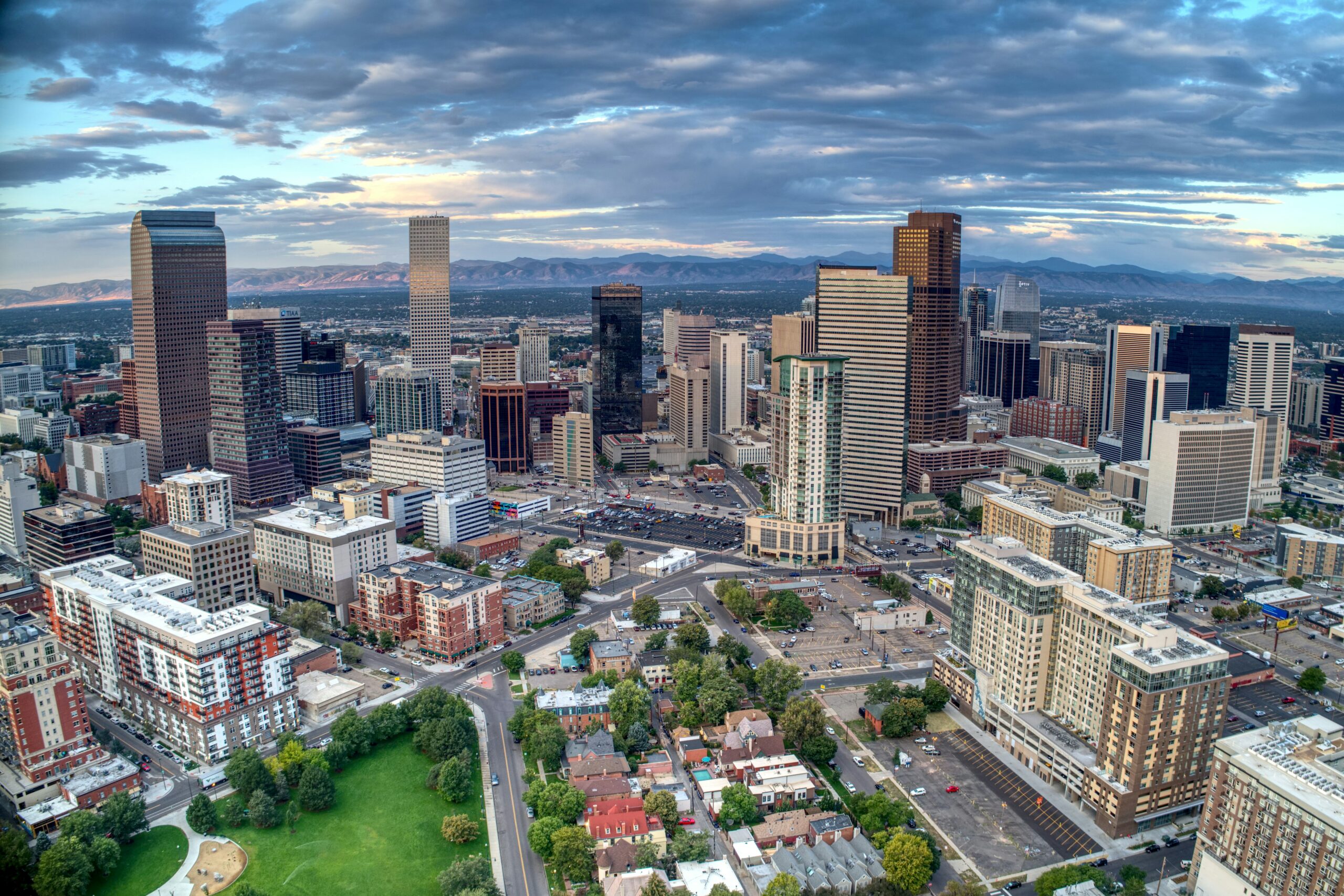
Colorado is experiencing significant growth, driven by a strong economy, population growth, and evolving lifestyle preferences. As more people move to cities and surrounding suburbs, urban development is becoming a central force in shaping the state’s future. From Denver and Colorado Springs to Fort Collins and Boulder, communities are adapting to new demands while striving to preserve the natural beauty and quality of life that make Colorado unique.
The future of urban development in Colorado is not simply about constructing new buildings or expanding transportation networks. It involves creating sustainable, resilient, and connected communities that can support long-term growth. Innovative planning strategies, environmental stewardship, and technological advancements are influencing how cities are designed and how residents interact with their surroundings.
Smart Growth and Sustainable Planning
One of the most important trends shaping Colorado’s urban landscape is the adoption of smart growth principles. Local governments and planners are focusing on development strategies that maximize land use efficiency while minimizing environmental impact. Rather than encouraging widespread urban sprawl, many cities are promoting mixed-use developments that combine residential, commercial, and recreational spaces within walkable neighborhoods.
These planning approaches help reduce traffic congestion, lower carbon emissions, and create more vibrant communities. By concentrating development around transit corridors and urban centers, Colorado cities can accommodate population growth without sacrificing open spaces, parks, and natural resources. This balanced approach supports economic development while preserving the state’s environmental heritage.
Expanding Public Transportation Networks
Transportation plays a critical role in the future of urban development across Colorado. As cities continue to grow, investments in public transit systems are becoming increasingly important. Expanded rail services, bus rapid transit routes, and improved cycling infrastructure are helping residents move efficiently throughout urban areas.
These transportation improvements not only reduce dependence on personal vehicles but also contribute to cleaner air and more sustainable communities. By connecting residential neighborhoods with employment centers, educational institutions, and recreational destinations, public transportation supports economic activity while enhancing the quality of life for residents across the state.
The Rise of Mixed-Use Developments
Mixed-use developments are becoming a defining feature of Colorado’s urban transformation. These projects integrate housing, retail spaces, offices, restaurants, and entertainment venues into a single community environment. The result is a more convenient and connected lifestyle for residents who can access daily necessities without extensive travel.
Developers and city planners recognize that mixed-use communities encourage social interaction and economic vitality. By creating destinations where people can live, work, and spend leisure time, these developments contribute to stronger local economies and reduced transportation demands. This model is particularly attractive to younger professionals and families seeking walkable neighborhoods with modern amenities.
Affordable Housing Challenges and Solutions
As Colorado’s population continues to expand, housing affordability remains a major concern. Rising property values and increased demand have placed pressure on many households, particularly in rapidly growing urban areas. Addressing this challenge requires collaboration among government agencies, developers, and community organizations.
Innovative housing solutions are emerging across the state. Inclusionary zoning policies, workforce housing initiatives, and public-private partnerships are helping create more affordable options for residents. By incorporating diverse housing types into urban development plans, communities can support economic diversity and ensure that people from various income levels have access to quality housing.
Green Building and Environmental Responsibility
Sustainability is becoming a cornerstone of urban development throughout Colorado. New construction projects increasingly incorporate energy-efficient technologies, renewable energy systems, and environmentally responsible materials. Green building practices help reduce operational costs while minimizing environmental impacts.
Many municipalities are adopting stricter sustainability standards and encouraging developers to pursue environmentally friendly certifications. These efforts contribute to lower greenhouse gas emissions and improved resource efficiency. As climate concerns continue to influence planning decisions, sustainable construction practices are expected to become even more prevalent across Colorado’s urban centers.
Technology and the Smart City Movement
Technological innovation is reshaping how cities operate and serve their residents. Smart city initiatives are gaining momentum throughout Colorado, utilizing data-driven solutions to improve public services, infrastructure management, and urban planning. Sensors, connected devices, and advanced analytics help cities monitor traffic patterns, energy consumption, and public safety conditions in real time.
The integration of technology also enhances resident experiences by providing more efficient access to services and information. Smart traffic systems can reduce congestion, while intelligent energy management systems improve resource utilization. These innovations contribute to more responsive and adaptable urban environments that meet the needs of growing populations.
Economic Growth and Urban Revitalization
Urban development is also driving economic opportunities throughout Colorado. Revitalization projects in downtown districts and emerging neighborhoods are attracting businesses, investors, and entrepreneurs. Improved infrastructure and modern amenities make urban centers more competitive and appealing for economic activity.
These investments generate employment opportunities, increase tax revenues, and strengthen local economies. As communities continue to evolve, strategic development initiatives can help create sustainable economic growth while supporting a diverse range of industries. Urban revitalization efforts are helping transform underutilized areas into thriving centers of commerce and culture.
The Future Outlook for Colorado’s Cities
The future of urban development in Colorado will be shaped by the state’s ability to balance growth, sustainability, and community well-being. Population increases and economic expansion will continue to create opportunities and challenges for city leaders, developers, and residents alike. Thoughtful planning will be essential to ensure that growth benefits both current and future generations.
By embracing innovation, investing in sustainable infrastructure, and prioritizing quality of life, Colorado can create urban environments that are resilient and adaptable. The decisions made today will influence the state’s landscape for decades to come, shaping communities that are connected, environmentally responsible, and prepared for the future.
Colorado’s urban development journey reflects a commitment to progress while preserving the values that define the state. Smart growth strategies, sustainable construction, transportation improvements, and technological innovation are all contributing to a dynamic transformation of urban environments. These efforts are helping communities adapt to changing demands while maintaining their unique character.
As Colorado continues to evolve, urban development will remain a powerful force in shaping its future. Through careful planning and collaboration, cities can foster economic prosperity, environmental stewardship, and vibrant neighborhoods that support a high quality of life for generations to come.