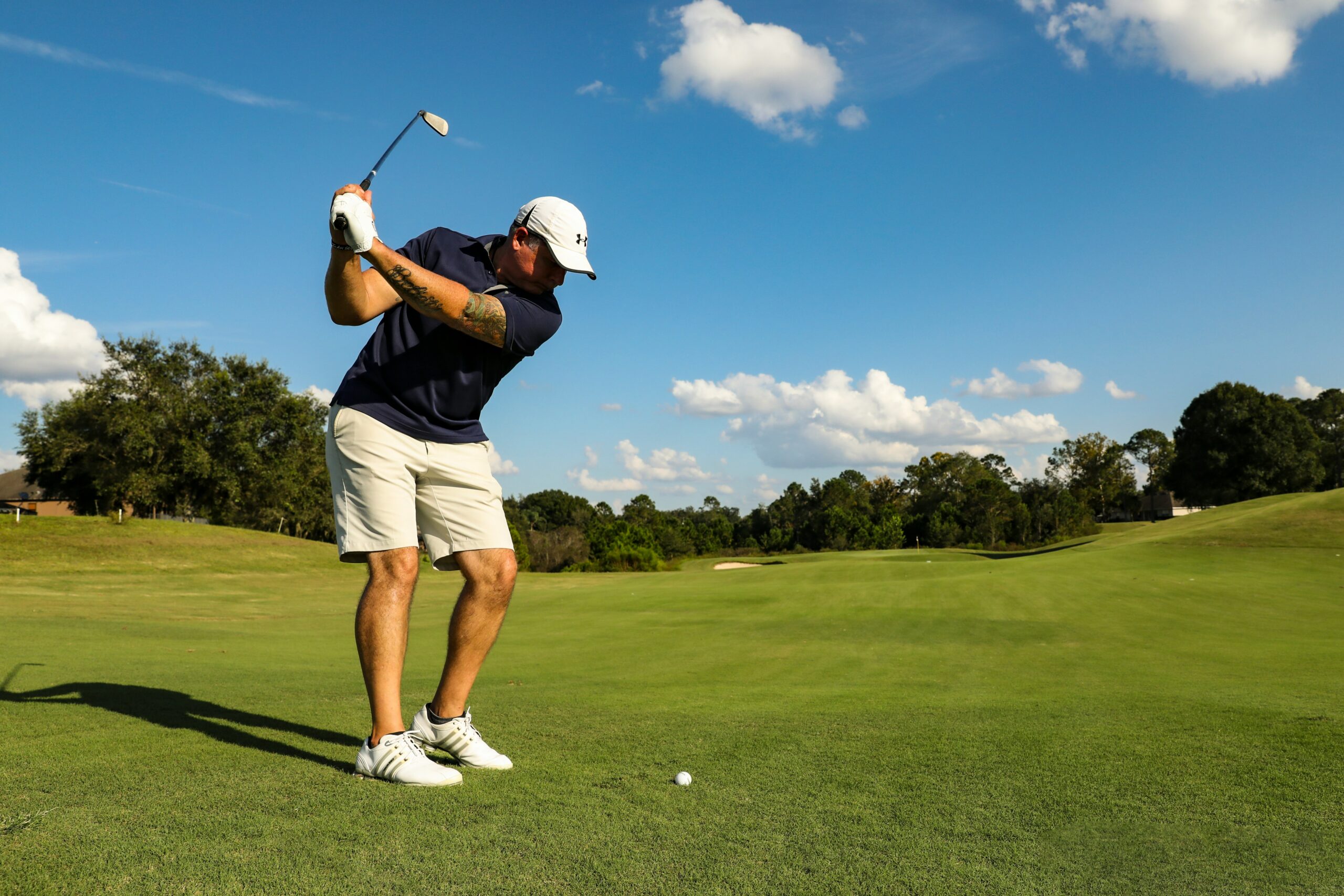
Sports shape more than physical strength because they train the mind to think, adapt, and grow under pressure. Among all athletic experiences, learning patience and strategy stands out as one of the most valuable lessons. Whether an athlete runs across a lacrosse field or carefully lines up a golf shot, each moment demands focus, discipline, and thoughtful decision-making.
While lacrosse moves at a fast pace and golf unfolds slowly, both sports teach players how to stay calm, plan, and respond to challenges with confidence. As athletes move between these sports, they begin to understand how patience and strategy connect every successful performance, which ultimately helps them improve both on and off the field.
Understanding the Role of Timing in Performance
Timing plays a critical role in both lacrosse and golf, although it appears in different ways. In lacrosse, players must react quickly to passes, defensive pressure, and scoring opportunities. Therefore, they learn to anticipate movements and make split-second decisions that affect the outcome of the game. As a result, athletes develop awareness and quick thinking, which helps them stay competitive.
On the other hand, golf teaches timing through control and rhythm rather than speed. Players must wait for the right moment to swing, considering wind, distance, and terrain. Consequently, golfers learn to slow down their thoughts and focus on precision. This contrast shows how patience and strategy work together, even when the pace of the sport changes dramatically.
Developing Mental Focus Across Different Sports
Mental focus becomes essential when athletes transition from lacrosse to golf. In lacrosse, distractions come from constant motion, crowd noise, and rapid gameplay. However, players must maintain concentration to execute plays effectively and support their teammates. This environment strengthens their ability to stay alert and engaged under pressure.
Meanwhile, golf demands a different type of focus that centers on stillness and consistency. Each shot requires complete attention, even when the environment appears calm. Therefore, athletes learn to block out distractions and trust their preparation. Over time, this ability to concentrate deeply improves overall performance and reinforces the value of patience and strategy.
Learning Strategic Thinking in Competitive Environments
Strategic thinking plays a major role in both lacrosse and golf, even though the strategies look different. In lacrosse, players must coordinate with teammates, anticipate opponents’ moves, and adapt quickly to changing situations. Therefore, they develop the ability to think ahead and make smart choices under pressure.
In golf, strategy involves course management, shot selection, and risk assessment. Players must decide when to play aggressively and when to stay conservative. As a result, they learn to evaluate situations carefully and avoid unnecessary mistakes. This approach reinforces how patience and strategy guide every decision on the course.
Managing Emotions During High-Pressure Moments
Emotional control becomes a key factor in athletic success. In lacrosse, players often face intense moments that require quick reactions and strong teamwork. However, frustration or excitement can disrupt performance if not managed properly. Therefore, athletes learn to stay composed and focused during critical plays.
Similarly, golf challenges players to manage emotions over longer periods. A single mistake can affect several holes if a player loses confidence. Consequently, golfers must reset mentally after each shot and maintain a positive mindset. This ability to regulate emotions strengthens both patience and strategic thinking.
Building Discipline Through Practice and Repetition
Discipline grows through consistent practice in both sports, although the training methods differ. Lacrosse players often engage in fast-paced drills that improve agility, coordination, teamwork, and the demands of modern sports. As they repeat these exercises, they build muscle memory and sharpen their decision-making skills during games.
In contrast, golfers rely heavily on repetitive practice to refine their swings and techniques. Each practice session focuses on small adjustments that lead to better results over time. Consequently, athletes learn that progress requires patience and dedication. This shared commitment to improvement highlights how discipline supports long-term success in any sport.
Adapting to Different Game Speeds and Styles
Transitioning between lacrosse and golf requires athletes to adjust to different game speeds. Lacrosse demands constant movement, quick decisions, and physical endurance. As players adapt, they develop the ability to process information rapidly and respond effectively.
In contrast, golf emphasizes deliberate actions and thoughtful planning. Players must slow down and evaluate each situation carefully before making a move. Therefore, athletes learn to shift their mindset depending on the sport. This adaptability highlights how patience and strategy remain essential, regardless of pace.
Strengthening Confidence Through Skill Development
Confidence grows as athletes improve their skills in both sports. In lacrosse, players gain confidence through teamwork, successful plays, and consistent performance. As they see progress, they trust their abilities and contribute more effectively to the team.
Meanwhile, golf builds confidence through individual achievement and personal growth. Each successful shot reinforces belief in one’s skills and preparation. Consequently, athletes develop a strong sense of self-assurance that supports better decision-making. This confidence connects directly to patience and strategy, as players trust the process and stay committed.
Applying Sports Lessons to Everyday Life
The lessons learned in sports extend far beyond the field or course. Athletes who understand patience and strategy often apply these skills to academics, professional careers, and personal relationships. For example, they approach challenges with a calm mindset and think through solutions carefully.
Additionally, these lessons encourage long-term thinking and resilience. When individuals face setbacks, they rely on the same discipline and focus developed through sports. Therefore, the transition from lacrosse to golf becomes more than a physical shift because it teaches valuable life skills that support success in many areas.