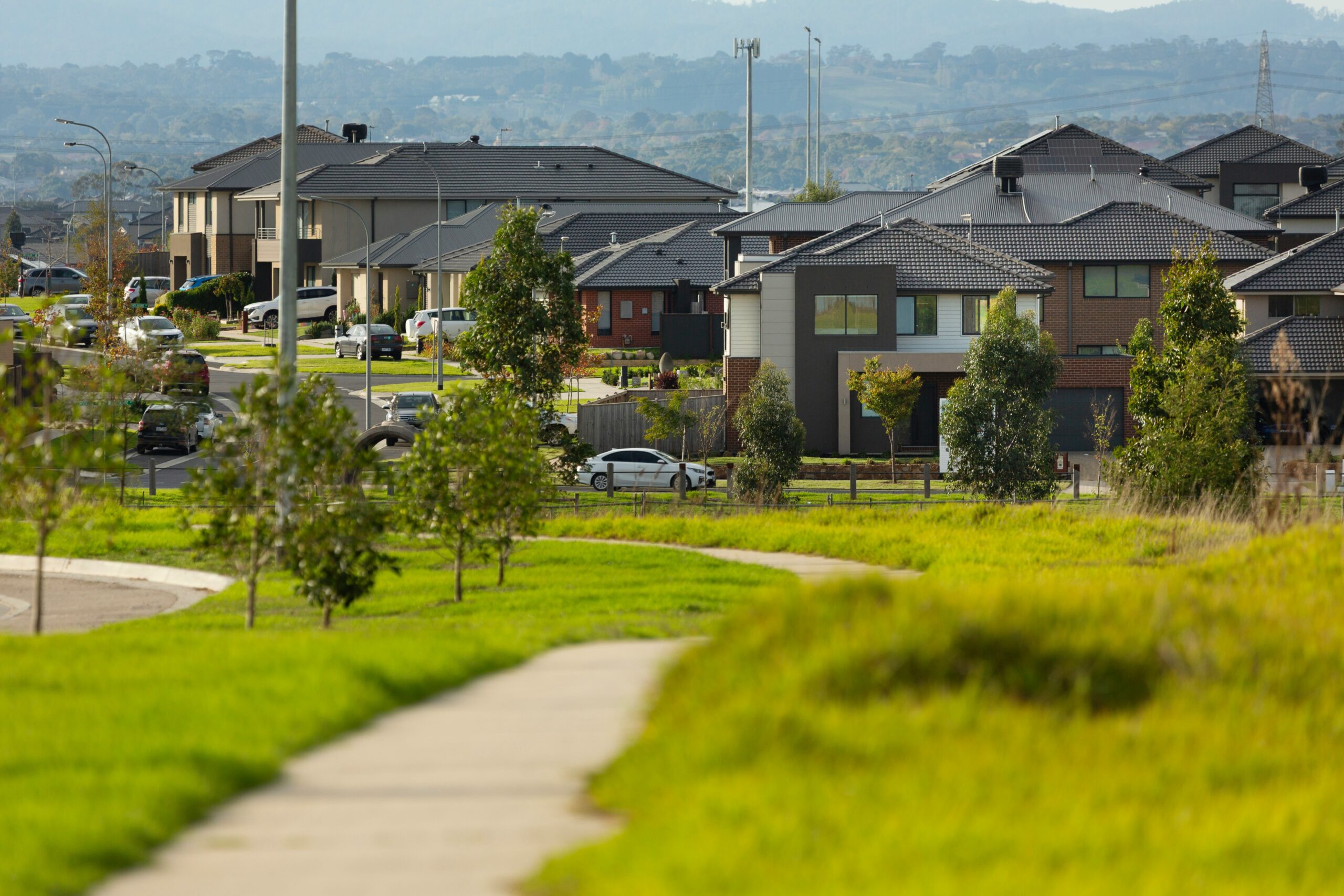
Sustainable real estate development plays a critical role in shaping communities that thrive environmentally, socially, and economically. Today, developers are no longer focused solely on profit; instead, they actively consider long-term impacts on people and the planet. As urban populations continue to grow, the need for responsible development becomes even more urgent. Therefore, integrating sustainability into real estate projects helps create healthier living environments while also preserving natural resources for future generations.
Moreover, sustainable development encourages thoughtful planning and design that aligns with community needs. Developers increasingly adopt eco-friendly materials, energy-efficient systems, and green building practices to reduce environmental impact. At the same time, they focus on creating spaces that promote well-being, connectivity, and resilience. As a result, these communities not only minimize harm but also enhance quality of life for residents.
Smart Urban Planning and Environmental Responsibility
Effective urban planning serves as the backbone of sustainable communities. By carefully designing neighborhoods with accessibility, green spaces, and efficient infrastructure, developers can significantly reduce carbon footprints. For example, walkable communities with access to public transportation help decrease reliance on cars, which in turn lowers emissions. Consequently, this approach contributes to cleaner air and a healthier environment.
In addition, environmental responsibility goes beyond reducing emissions. Developers now prioritize water conservation, waste management, and biodiversity protection within their projects. By incorporating features such as rainwater harvesting systems and green roofs, they actively support ecological balance. Furthermore, these practices demonstrate how real estate development can harmonize with nature instead of disrupting it.
Energy Efficiency and Green Building Innovations
Energy efficiency stands at the core of sustainable real estate development. Modern buildings increasingly rely on advanced technologies such as solar panels, smart lighting, and energy-efficient insulation. As a result, these innovations reduce energy consumption while lowering utility costs for residents. This shift not only benefits homeowners but also contributes to broader environmental goals.
At the same time, green building certifications have gained popularity as benchmarks for sustainability. Developers strive to meet these standards to demonstrate their commitment to eco-friendly practices. Additionally, these certifications encourage continuous improvement and innovation within the industry. Consequently, real estate development continues to evolve in ways that support both economic growth and environmental protection.
Social Connectivity and Community Well-Being
Sustainable communities are not just environmentally friendly; they also prioritize social well-being. Developers design spaces that encourage interaction, inclusivity, and a sense of belonging among residents. For instance, parks, community centers, and shared spaces foster connections and strengthen relationships. As a result, people feel more engaged and invested in their neighborhoods.
Furthermore, access to essential services such as healthcare, education, and retail plays a vital role in community development. By integrating these amenities within residential areas, developers reduce travel time and improve convenience. In turn, this enhances overall quality of life while supporting local economies. Therefore, social sustainability becomes just as important as environmental considerations.
Economic Growth and Long-Term Value
Sustainable real estate development also drives economic growth and stability. By creating energy-efficient and resilient properties, developers increase long-term value for investors and homeowners alike. These properties often require lower maintenance costs and offer higher returns over time. Consequently, sustainability becomes a smart financial decision as well as an ethical one.
In addition, sustainable communities attract businesses, tourism, and skilled professionals. As more people seek environmentally conscious living options, demand for such developments continues to rise. This trend further strengthens local economies and creates new opportunities for growth. Therefore, real estate developers play a key role in shaping economically vibrant communities.
Technology and Innovation in Sustainable Development
Technology continues to transform the way developers approach sustainability. Smart home systems, data-driven planning, and advanced construction techniques allow for more efficient and effective development. For example, smart sensors can monitor energy usage and optimize resource consumption in real time. As a result, residents enjoy greater convenience while reducing their environmental footprint.
Moreover, innovation enables developers to address challenges such as climate change and urbanization. By leveraging technology, they can design buildings that adapt to changing conditions and withstand environmental stress. Additionally, digital tools improve collaboration and decision-making throughout the development process. Consequently, technology becomes a powerful driver of sustainable progress.
Challenges and Opportunities in Sustainable Real Estate
Despite its many benefits, sustainable real estate development faces several challenges. High initial costs, regulatory complexities, and limited awareness can hinder progress. However, developers increasingly find ways to overcome these obstacles through innovation and collaboration. For instance, partnerships between governments, private sectors, and communities help create supportive frameworks for sustainable growth.
At the same time, these challenges present valuable opportunities for improvement. As demand for sustainable living continues to grow, developers have the chance to lead meaningful change. By investing in research, education, and new technologies, they can push the industry forward. Therefore, challenges become stepping stones toward more effective and impactful development strategies.
The Future of Sustainable Communities
Looking ahead, the future of real estate development lies in sustainability. As environmental concerns intensify, developers must continue to adapt and innovate. By embracing green practices, they can create communities that balance growth with responsibility. Furthermore, this approach ensures that future generations inherit a healthier and more sustainable world.
Ultimately, sustainable communities represent a powerful vision for the future. They combine environmental stewardship, social well-being, and economic prosperity into a unified approach. As real estate development continues to evolve, it will play a crucial role in shaping how people live, work, and connect. Therefore, building greener futures is not just a goal but a necessity for long-term success.