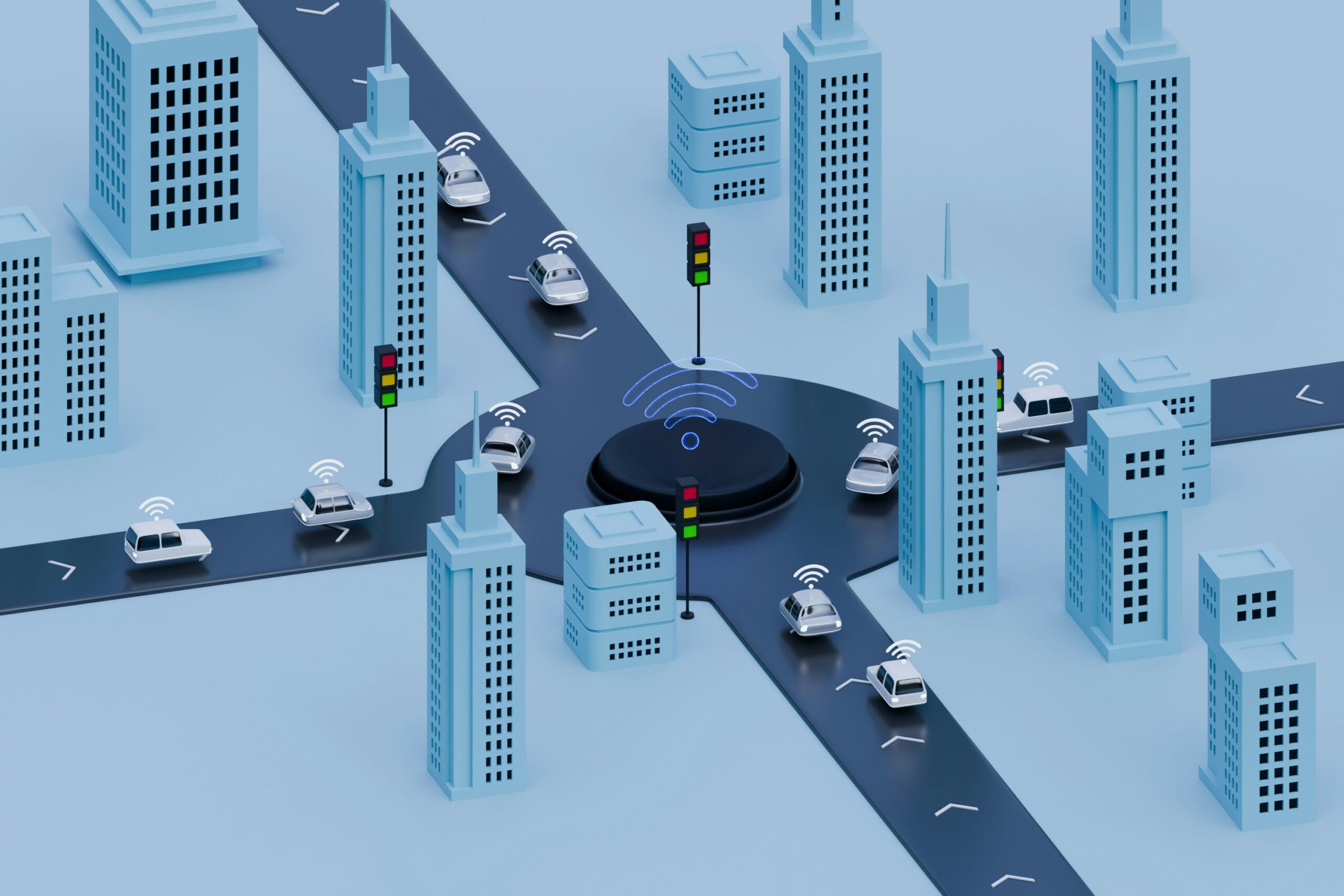
Colorado has long been celebrated for its natural beauty, thriving cities, and strong economic growth. In recent years, however, the state has entered a new phase of transformation driven by rapid urbanization, population growth, and evolving environmental priorities. Urban development in Colorado is no longer just about expansion. It is about creating smarter, more sustainable, and more livable environments that align with the needs of both people and nature.
The future of urban development in Colorado is shaping not only skylines but also the way communities function, interact, and grow. This evolution reflects a broader shift toward innovation, resilience, and long-term planning.
Population Growth and the Demand for Smarter Cities
Colorado’s population has steadily increased, particularly in cities like Denver, Boulder, and Colorado Springs. This growth has created significant demand for housing, infrastructure, and public services. Traditional development models are no longer sufficient to support this expansion without straining resources and the environment.
Urban planners are now focusing on smarter city designs that prioritize efficiency and accessibility. Compact developments, higher-density housing, and mixed-use neighborhoods are becoming more common. These strategies help accommodate growth while reducing urban sprawl and preserving the state’s natural landscapes.
The emphasis is shifting toward building communities that can sustain growth without compromising quality of life.
Sustainable Development as a Core Principle
Sustainability has become a defining feature of Colorado’s urban future. With its strong environmental ethos and proximity to natural resources, the state is leading efforts to integrate eco-friendly practices into development projects.
Energy-efficient buildings, renewable energy systems, and green construction materials are increasingly standard in new developments. Solar power, in particular, has gained widespread adoption due to Colorado’s abundant sunshine.
Water conservation is another critical focus. Given the region’s semi-arid climate, developers are incorporating efficient irrigation systems, drought-resistant landscaping, and water recycling technologies into urban design.
These efforts not only reduce environmental impact but also create long-term economic benefits through lower operational costs.
Transit-Oriented Development and Mobility Solutions
Transportation is a key factor in shaping Colorado’s urban landscape. As cities grow, traffic congestion and emissions have become pressing concerns. In response, planners are investing in transit-oriented development that integrates residential and commercial spaces with public transportation networks.
Light rail systems, bus rapid transit, and expanded cycling infrastructure are helping reduce reliance on personal vehicles. Walkable neighborhoods are also gaining popularity, encouraging residents to live closer to work, shopping, and entertainment.
This shift toward sustainable mobility not only improves environmental outcomes but also enhances convenience and accessibility for residents.
The Rise of Mixed-Use Communities
Mixed-use development is playing a significant role in Colorado’s urban transformation. By combining residential, commercial, and recreational spaces within a single area, these communities create vibrant environments that support diverse lifestyles.
Residents benefit from having essential services within close proximity, reducing the need for long commutes. Businesses gain access to a steady flow of customers, while public spaces encourage social interaction and community engagement.
Cities like Denver are seeing an increase in mixed-use projects that integrate retail, office spaces, and housing into cohesive developments. These environments reflect a modern approach to urban living that prioritizes convenience and connectivity.
Preserving Natural Beauty While Building Urban Spaces
One of the unique challenges in Colorado is balancing urban development with the preservation of its iconic natural landscapes. Mountains, parks, and open spaces are central to the state’s identity and quality of life.
Developers are increasingly incorporating nature into urban design. Green belts, public parks, and outdoor recreational areas are integrated into new projects to maintain a connection to the environment.
Zoning regulations and conservation efforts also play a role in protecting sensitive ecosystems. By limiting overdevelopment in certain areas, Colorado ensures that its natural beauty remains intact for future generations.
This balance between growth and preservation is a defining characteristic of the state’s development strategy.
Technology and Smart City Innovation
Technology is transforming how cities in Colorado are planned and managed. Smart city initiatives are being implemented to improve efficiency, sustainability, and quality of life.
Sensors and data analytics are used to monitor traffic patterns, energy usage, and environmental conditions. This information allows city planners to make informed decisions and optimize resource allocation.
Smart infrastructure, such as automated lighting and energy systems, reduces waste and enhances operational efficiency. Digital platforms also improve communication between residents and local governments, making services more accessible.
These innovations are helping Colorado’s cities become more responsive and adaptable to changing needs.
Housing Affordability and Inclusive Growth
As urban areas expand, housing affordability has become a major concern. Rising property values and increased demand have made it challenging for many residents to find affordable housing.
Developers and policymakers are working to address this issue through inclusive development strategies. Affordable housing projects, mixed-income communities, and incentives for developers are being introduced to create more accessible living options.
Ensuring that urban growth benefits a wide range of residents is essential for maintaining social stability and economic diversity. Inclusive development helps prevent displacement and fosters stronger, more resilient communities.
Economic Opportunities and Urban Expansion
Urban development in Colorado is closely tied to economic growth. The state’s thriving industries, including technology, healthcare, and tourism, are driving demand for commercial and residential spaces.
New developments are creating job opportunities and attracting businesses, further fueling economic expansion. Innovation hubs, coworking spaces, and business districts are emerging as key components of the urban landscape.
This economic vitality supports continued investment in infrastructure and community development, creating a positive cycle of growth and improvement.
Challenges in Shaping the Future Landscape
Despite its progress, Colorado faces several challenges in its urban development journey. Managing population growth while preserving natural resources requires careful planning and collaboration.
Infrastructure must keep pace with expansion, and investments in transportation, utilities, and public services are essential. Climate change also presents challenges, including water scarcity and increased risk of natural disasters.
Balancing economic growth with environmental sustainability and social equity remains a complex task. However, these challenges also present opportunities for innovation and leadership.
The Road Ahead: A Vision for Colorado’s Urban Future
The future of urban development in Colorado is defined by adaptability, sustainability, and innovation. As cities continue to grow, the focus will remain on creating environments that support both people and the planet.
Emerging trends such as net-zero buildings, renewable energy integration, and smart infrastructure will play a significant role in shaping the next generation of urban spaces.
Collaboration between government, developers, and communities will be essential in achieving these goals. By working together, stakeholders can create a shared vision for sustainable growth.
Building a Balanced and Resilient Landscape
Colorado’s approach to urban development reflects a commitment to balancing growth with responsibility. By prioritizing sustainability, innovation, and inclusivity, the state is creating communities that are both vibrant and resilient.
The transformation of Colorado’s landscape is not just about new buildings or infrastructure. It is about redefining how people live, work, and connect within their environment. As these changes continue, the state is setting an example for how urban development can evolve in harmony with nature and society.