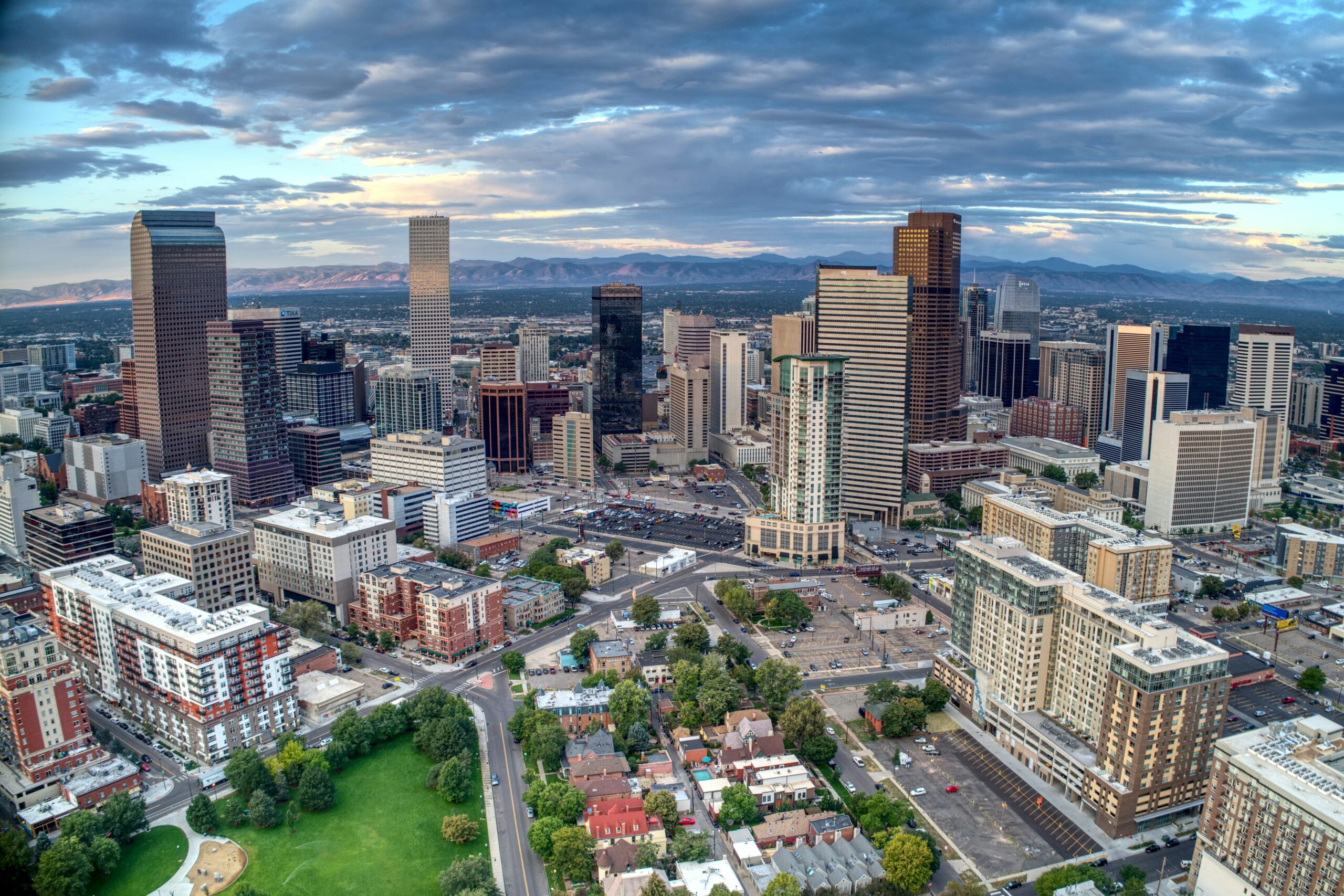
Urban Development in Colorado continues to reshape both major cities and smaller towns as more people move into the state. Colorado attracts new residents because of it natural beauty, strong job markets, and vibrant lifestyle. As these communities expand, leaders rethink how neighborhoods grow so that they remain livable, healthy, and balanced for future generations. This shift sets the stage for a new era of planning that respects both people and the environment.
Growth brings new challenges, yet it also opens opportunities for smart community design. Many cities now focus on mixed-use neighborhoods that blend homes, parks, and local shops within walking distance. This style of planning encourages social interaction and reduces traffic pressures. As Urban Development evolves, communities across Colorado discover ways to improve the quality of life while protecting the region’s natural character.
Transportation Improvements That Guide Future Growth
Transportation plays a major role in shaping Colorado’s growth, and Urban Development strategies now emphasize active mobility. Cities improve bus routes, expand light rail lines, and create safer bike paths so people can choose sustainable travel options. These improvements reduce congestion and help residents stay healthier through more active lifestyles. With convenient travel choices, people spend less time in traffic and more time supporting local businesses.
Communities also redesign streets to make walking safer, since a pedestrian-friendly environment strengthens neighborhood connections. Wide sidewalks, simple crosswalks, and shaded streets make it easier for people to walk to work, school, or parks. As a result, Urban Development becomes centered on people rather than cars, which leads to stronger communities and cleaner air.
Sustainable Design That Protects Colorado’s Landscape
Colorado faces unique environmental pressures, so sustainable planning sits at the heart of Urban Development efforts. Cities deal with changing climate patterns, wildfire risks, and periodic water shortages. For this reason, builders and planners design homes and public spaces that use energy efficiently and protect natural resources. These designs include solar panels, high-efficiency insulation, and drought-friendly, drought-tolerant landscaping that requires less irrigation.
Although environmental challenges grow each year, communities adapt by prioritizing local ecosystems. Many developments now restore native plant habitats, reduce water waste, and reuse materials to limit environmental impact. As Urban Development expands, sustainability remains a key principle that guides long-term decision-making in Colorado’s cities and towns.
Technology That Supports Smarter Urban Planning
Rapid technological advancements shape how communities operate, and Colorado uses digital tools to improve everyday life. Smart sensors track traffic patterns, enabling planners to adjust intersections in real time. Energy monitoring systems help neighborhoods use less electricity and reduce monthly costs. These tools allow cities to respond quickly to community needs and make Urban Development more efficient and adaptable.
High-speed internet also plays an important role, as remote work continues to grow across the state. With faster connections, people can live in smaller towns while still working for companies in major cities. This shift encourages balanced growth across Colorado rather than concentrating development in a few urban centers. Technology strengthens communities, and it supports modern lifestyles that rely on flexibility and connectivity.
Housing Solutions for a Growing Population
Housing demand rises as Colorado continues to grow, and Urban Development must address both affordability and accessibility. Cities invest in a variety of housing types, including smaller homes, accessory units, and community-oriented developments that encourage social interaction. These choices help students, families, and seniors find suitable places to live without leaving their communities due to high costs.
Communities also focus on designing shared spaces that bring people together. Local parks, community gardens, and gathering areas support strong relationships among neighbors. These features create welcoming environments and improve mental well-being. As housing needs evolve, Urban Development plays a critical role in shaping diverse and inclusive neighborhoods across Colorado.
Preserving Natural Resources While Cities Expand
Colorado’s identity is deeply rooted in nature, so protecting landscapes remains a major priority. Urban Development must strike a balance between growth and conservation to ensure future generations enjoy the same natural beauty. Many cities create growth boundaries to prevent uncontrolled sprawl and preserve open lands that support wildlife movement and recreation. These efforts keep Colorado’s signature views intact even as communities grow.
Tourism benefits from these choices because visitors appreciate clean rivers, wide trails, and stunning outdoor scenery. When cities conserve natural resources, they strengthen local economies while promoting responsible stewardship. This balance allows Urban Development to move forward without damaging the environment that defines the state’s character.
Community Participation That Shapes Long-Term Vision
Strong community involvement ensures that new projects reflect local needs and values. Residents join planning meetings, share ideas online, and participate in neighborhood councils. Their input helps shape parks, transportation projects, and public spaces. This collaboration builds trust, and it leads to better results because planners understand the priorities of people who live and work in each area.
Partnerships also help communities grow. Schools, nonprofits, and local businesses work together to support programs that strengthen neighborhoods. These connections contribute to successful Urban Development by bringing diverse perspectives into the planning process. With shared goals and open communication, Colorado moves toward a future shaped by both innovation and community spirit.