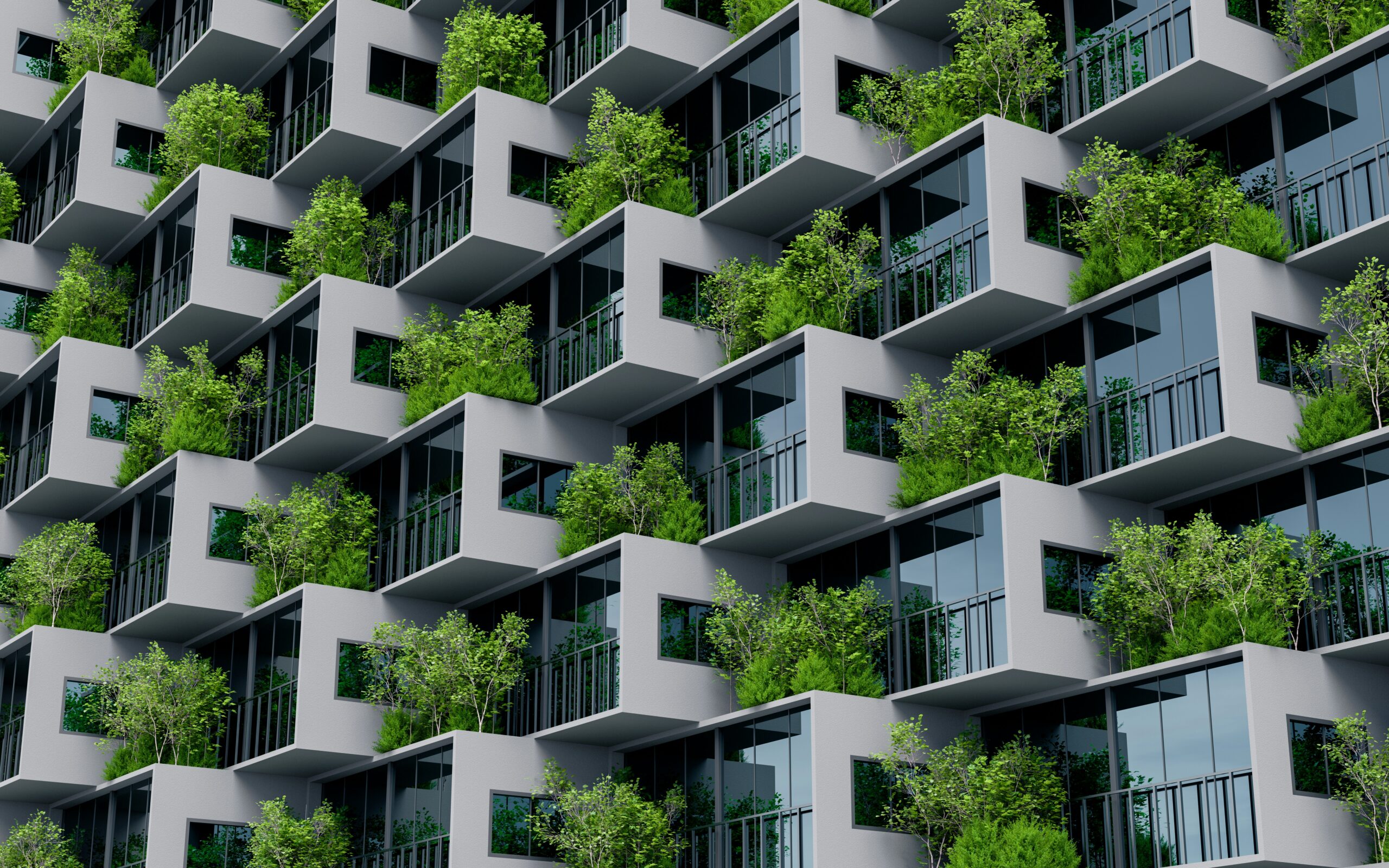
Sustainable development is becoming a cornerstone of modern real estate, emphasizing environmentally conscious practices in urban planning. Green building techniques, renewable energy sources, and energy-efficient designs are being incorporated into developments to reduce their carbon footprints and environmental impact. By focusing on sustainable materials and resource-efficient systems, developers are not only meeting the needs of current residents but also safeguarding the environment for future generations. Sustainable real estate development is about creating energy-efficient spaces, minimizing waste, and providing a healthier living environment.
As the demand for sustainable living continues to grow, urban areas are adapting to incorporate these principles into new developments. The shift toward sustainable building practices encourages the use of green technologies, such as solar panels and rainwater harvesting systems, to make buildings more eco-friendly. These efforts ensure that urban expansion does not come at the expense of the environment, enabling cities to grow while promoting sustainability and livability for residents.
Eco-Friendly Building Practices
Eco-friendly building practices are essential to developing livable, green communities. Incorporating energy-efficient features, such as high-quality insulation, solar panels, and smart thermostats, reduces the overall energy consumption of buildings. Moreover, these practices help lower the carbon footprint of new developments, contributing to cleaner air and a reduced environmental impact. By using sustainable building materials such as bamboo flooring, recycled steel, and low-VOC paints, developers can create healthier indoor environments for residents.
Green buildings are also designed to manage resources more effectively. These buildings often include systems that monitor energy use, water consumption, and waste, enabling real-time adjustments to reduce inefficiency. Smart technologies also help enhance the livability of these spaces by making them more comfortable, affordable, and energy-efficient. The adoption of such building practices contributes to the creation of sustainable communities where both the environment and residents can thrive.
The Role of Green Spaces in Community Design
Green spaces are vital components of sustainable real estate development, providing residents with areas to relax, exercise, and enjoy nature. Parks, gardens, and recreational spaces contribute to a community’s overall well-being by offering a natural refuge from urban stressors. These spaces also help manage stormwater, improve air quality, and reduce the heat island effect common in cities. By incorporating these natural elements into real estate developments, developers create more vibrant, eco-friendly neighborhoods that benefit the environment and enhance residents’ quality of life.
Green spaces also offer social benefits, fostering a sense of community among residents. Public parks and gardens are venues for social gatherings, events, and recreational activities, encouraging interaction between neighbors. These spaces help build strong, cohesive communities where residents can enjoy a shared environment that promotes both physical and mental well-being. As urban areas continue to grow, the importance of green spaces in urban planning cannot be overstated.
The Impact of Sustainable Communities on the Economy
Sustainable real estate development has significant economic advantages. Green buildings are designed to reduce operational costs through energy efficiency, benefiting both developers and residents. Lower energy bills and water consumption make these properties more affordable to live in, which can attract more residents. As demand for energy-efficient, eco-friendly homes increases, these communities become more desirable and may see higher property values. Sustainable development is often seen as a long-term investment, given its lower operational costs and resilience in the face of environmental challenges.
In addition to saving money, sustainable communities attract businesses, investors, and job opportunities. Companies and individuals who prioritize sustainability are more likely to seek out green neighborhoods that align with their values. This influx of interest and investment creates opportunities for local growth and development. By creating environmentally conscious communities, developers can help stimulate local economies, drive job creation, and support businesses that contribute to the green economy.
Smart City Technologies and Sustainability
Smart city technologies are transforming urban living, enhancing sustainability in real estate development. These technologies allow cities to manage resources more efficiently, improving energy distribution, water usage, and waste management. For example, smart grids can optimize energy consumption by regulating electricity flow in response to demand, thereby ensuring more efficient use of energy. In addition, advanced water management systems help reduce waste by detecting leaks and controlling water use, further contributing to the community’s sustainability.
Incorporating these technologies into real estate development also improves residents’ quality of life. With access to smart systems that monitor air quality, transportation, and public services, residents can make more informed decisions about their environmental impact. These systems also promote community engagement by offering real-time data on energy use and resource management. As cities evolve, integrating smart technologies into development projects will be critical for creating sustainable, livable communities that are responsive to residents’ needs.
The Importance of Public Transportation in Sustainable Communities
Public transportation plays a central role in developing sustainable communities by reducing reliance on private cars. Efficient public transit systems, including buses, trains, and bike-sharing services, lower traffic congestion, reduce emissions, and improve air quality. By providing residents with accessible, eco-friendly transportation options, cities can minimize the environmental impact of individual vehicles while improving mobility and accessibility for all.
In sustainable real estate developments, access to public transportation is often a key consideration. Developers are increasingly designing communities well served by public transit, ensuring residents can easily access essential services, employment opportunities, and recreational spaces. This integration of transportation options reduces the need for personal cars, lowering emissions and fostering a more sustainable transportation system overall. Additionally, public transportation provides affordable mobility options, benefiting residents and fostering a more connected, sustainable community.